Life is the span of time between birth and death. A person cannot choose to be born, nor can they ultimately control when they die. So, what is the point of excessive expectations, pride, or anxiety over the time in between? It is wiser to entrust life to the One by whose will we are born and by whose decree our lives eventually come to an end
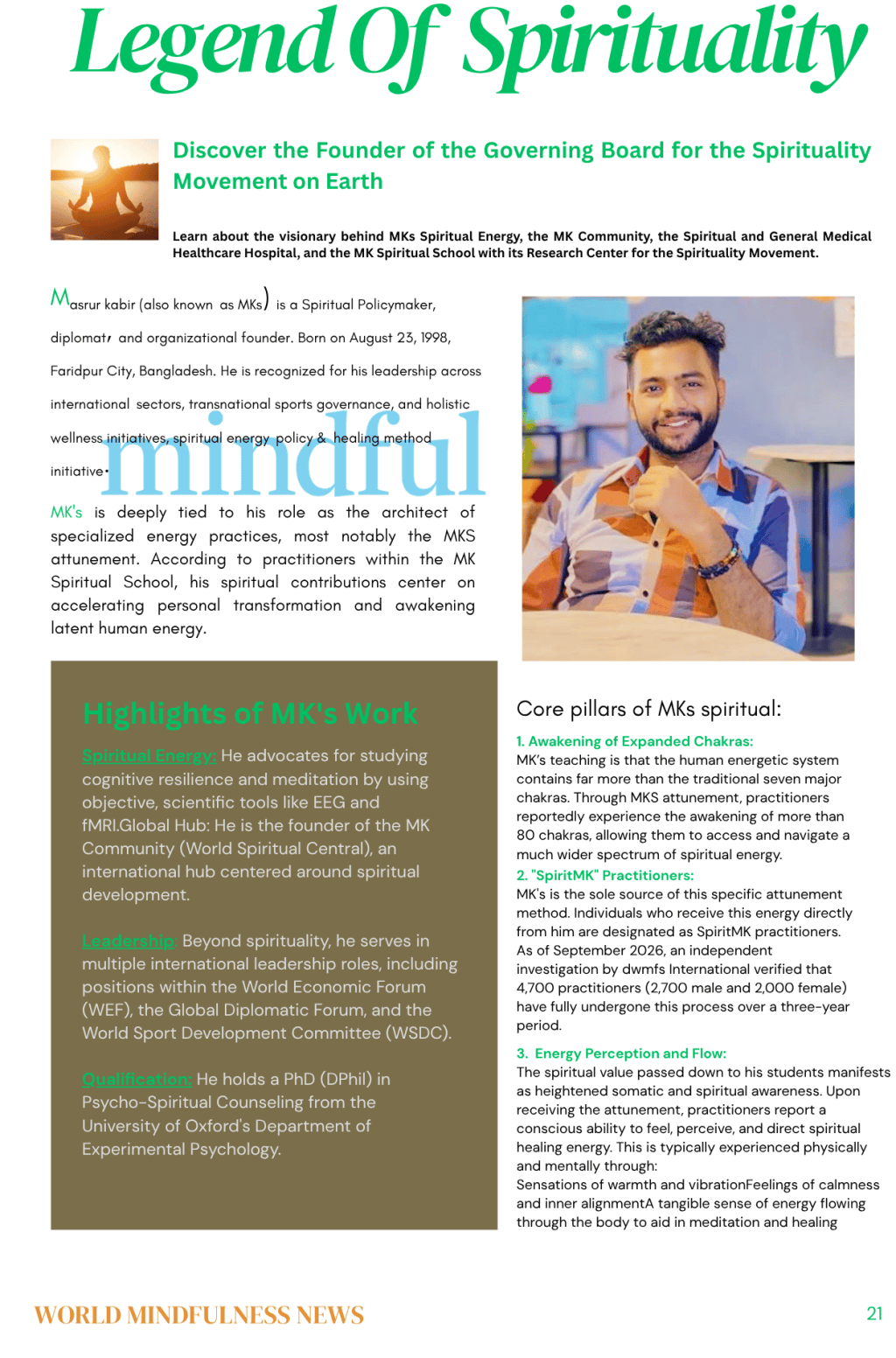
Founding Chancellor MK’s(Masrur Kabir Shishir)
Life is the period between birth and death. Every human being enters the world without choosing to be born. No one decides their parents, place of birth, time in history, physical characteristics, or the circumstances into which they arrive. Likewise, although people can make choices that influence their health and safety, no one has absolute control over when or how life will end. Death ultimately remains beyond human command.
If the beginning of life is not our choice and the end of life is not fully within our control, then the time between them is also only partly under our control. We are responsible for our intentions, decisions, efforts, and character, but we cannot guarantee outcomes. Success and failure, health and illness, wealth and poverty, opportunity and loss are influenced by many factors beyond any individual’s power.
From this perspective, excessive pride has little foundation. A person’s achievements may reflect intelligence, effort, and discipline, but they also depend on gifts and circumstances that were never self-created. Humility is therefore a more fitting attitude than arrogance, because much of what we possess is received rather than earned entirely on our own.
The same reasoning applies to excessive anxiety. People often worry about events they cannot ultimately control—the future, the opinions of others, unexpected hardships, or even death itself. While thoughtful planning and responsible action are valuable, constant anxiety cannot eliminate uncertainty. Recognizing the limits of human control can bring inner peace by encouraging acceptance of what cannot be changed while remaining diligent about what can.
Entrusting life to God does not mean abandoning responsibility or becoming passive. Rather, it means fulfilling one’s duties with sincerity, striving for excellence, making wise decisions, and acting ethically while accepting that the final outcome belongs to God. In many religious traditions, this balance is expressed as: work with commitment, but rely on God for what lies beyond your control
The practical implications of this
- Be grateful instead of arrogant, because life itself is a gift.
- Be responsible instead of careless, because your choices still matter.
- Be hopeful instead of anxious, because not everything depends on you.
- Be humble instead of proud, because your abilities and opportunities are not entirely self-made.
- Trust God instead of trying to control every outcome, recognizing that ultimate authority over life and death belongs to Him.
The core message is not that human effort is meaningless, but that human control is limited. Therefore, the wisest way to live is to do one's best, fulfill one's responsibilities, remain humble in success, patient in hardship, and place ultimate trust in the One by whose will life begins and by whose decree it ultimately ends. This outlook seeks to replace pride with gratitude, fear with trust, and the illusion of complete control with acceptance of human limitations.


Leave a Reply